// THE PREMISE
What this world is
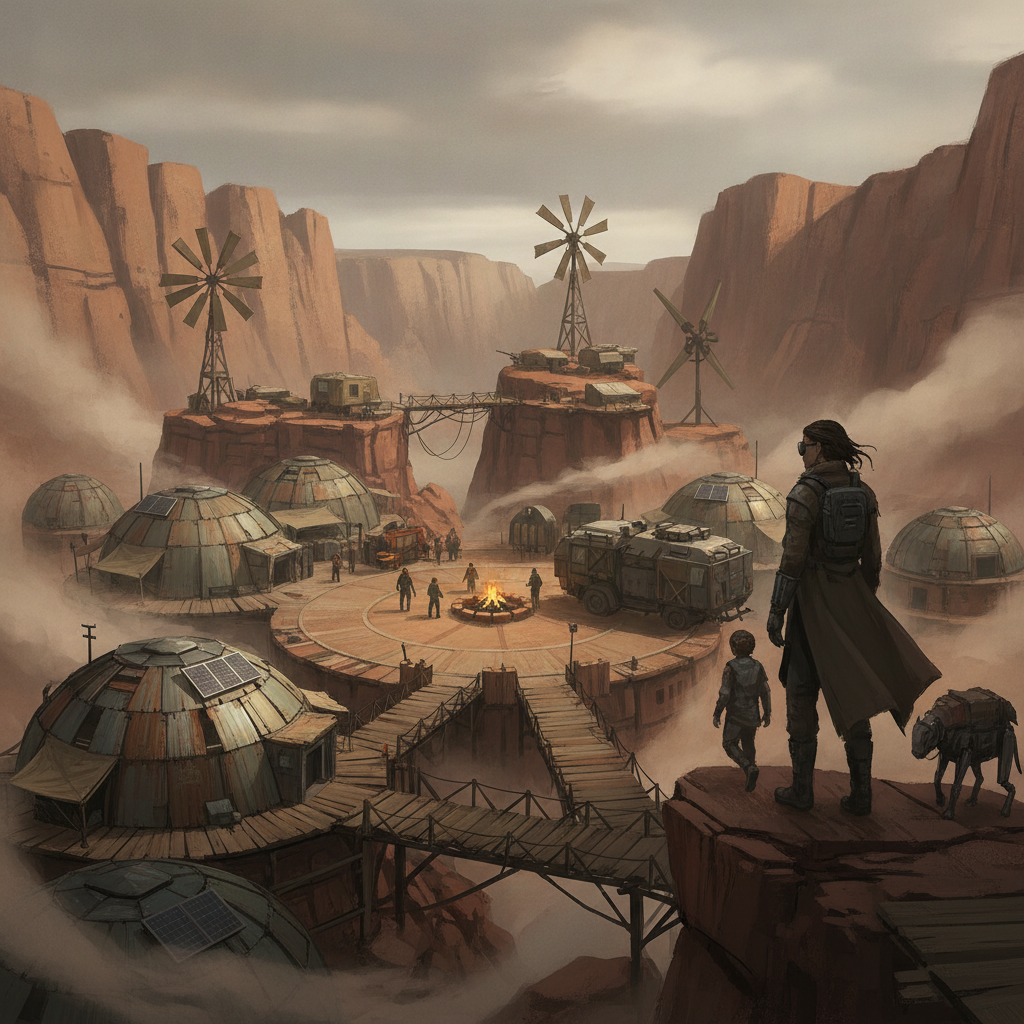
Bradbury Settlement is the first permanent human colony on Mars: eleven years old, three hundred people deep, built into a crater on the floor of the largest canyon in the solar system. It is the largest number of human beings ever to live off Earth, and it is still small enough that everyone knows everyone, and small enough that the loss of any one specialist is felt across the whole colony.
This is hard science fiction. No aliens, no faster-than-light, no artificial gravity, no shortcuts. Everything obeys real physics, and the physics is trying to kill everyone, patiently. The air outside is one percent of Earth's pressure, so every wall is a pressure vessel and every breach is an emergency. There is no magnetic field, so radiation never stops accumulating. The last supply ship landed fourteen months ago. The next transfer window opens in nine. Everything the colony will breathe, eat, and repair with before then either already exists here or must be made here.
You take a post in the colony. The administrator, carrying a governance charter written by people twenty light-minutes away. A life-support or fuel-plant engineer whose systems everyone depends on. The doctor. A greenhouse agronomist. A geologist. A fabrication specialist. Or one of the first generation of children born on Mars, who have never felt a full gravity or breathed open air, and who are starting to ask what this place owes them.
Nobody here is a villain. Everyone has a defensible position. The settlement is small enough that every disagreement is also personal, and the machines do not stop needing attention while the people argue.
// PLAY PROFILE
What this world plays like
Your first ten turns are orientation in a place where orientation is survival. You learn the modules, the airlocks, the systems that are yours and the ones you have to trust other people to keep running. You meet the handful of colonists who truly understand each critical machine, and you start to feel how thin that coverage is.
By turn fifty, the colony has a rhythm and you are load-bearing in it. A system has been tested, by a dust storm or a failure or a near-miss, and the colony got through it on the decisions that were made, including yours. Your standing with the colony's factions is a real thing the world tracks: the administration, the engineers, the agronomists, the Mars-born. The resupply window is a date everyone is now counting toward.
By turn one hundred, the political questions are no longer theoretical. Who owns what the colony produces. How much the colony should obey an Earth whose instructions arrive twenty minutes late and increasingly out of touch. What the colony owes the next ship of people, and the first generation already here. The world remembers every part you fabricated, every ration you allocated, and every time you chose the colony over the charter or the charter over the colony.
Bradbury Settlement does not reset between sessions. Close the tab on Tuesday. Life support keeps cycling without you.
// FACTIONS IN MOTION
Principal factions
The official governing body of the colony, operating under the authority of the Earth-based corporate charter. The Administration's primary goals are enforcing the charter, managing resource allocation for survival, and maintaining the vital link to Earth. They represent the 'Terran' ideology, viewing the settlement as an outpost, not a new nation.
An informal but immensely powerful union of the engineers and technicians who maintain the colony's life-critical systems: power, life support, and ISRU. Their philosophy is ruthless pragmatism; the machine must survive, even at the cost of research or personal freedoms. They wield a de facto veto over any policy that threatens their systems.

The botanists and hydroponics specialists who control the colony's food supply and, by extension, its largest barter network. They have moved beyond simple subsistence, cultivating unique Martian food varieties and creating luxury goods like potent brews and spices. They are the heart of the colony's developing non-Terran culture.
A political and social movement, primarily composed of Settlers and the Martian-born 'Nates', who advocate for Martian independence. They believe the Bradbury Charter is an obsolete tool of Earth-based control and that Martians have the right to self-determination. They see themselves as the pioneers of a new human society, not just colonists.

The scientists dedicated to the colony's original mission: research and discovery. They constantly lobby for resources to conduct geological surveys in Candor Chasma, atmospheric studies, and astrobiological research. Their work is seen as a luxury by some, but they hold the colony's greatest secret: the discovery of native Martian microorganisms.
// KEY FIGURES
People you'll meet
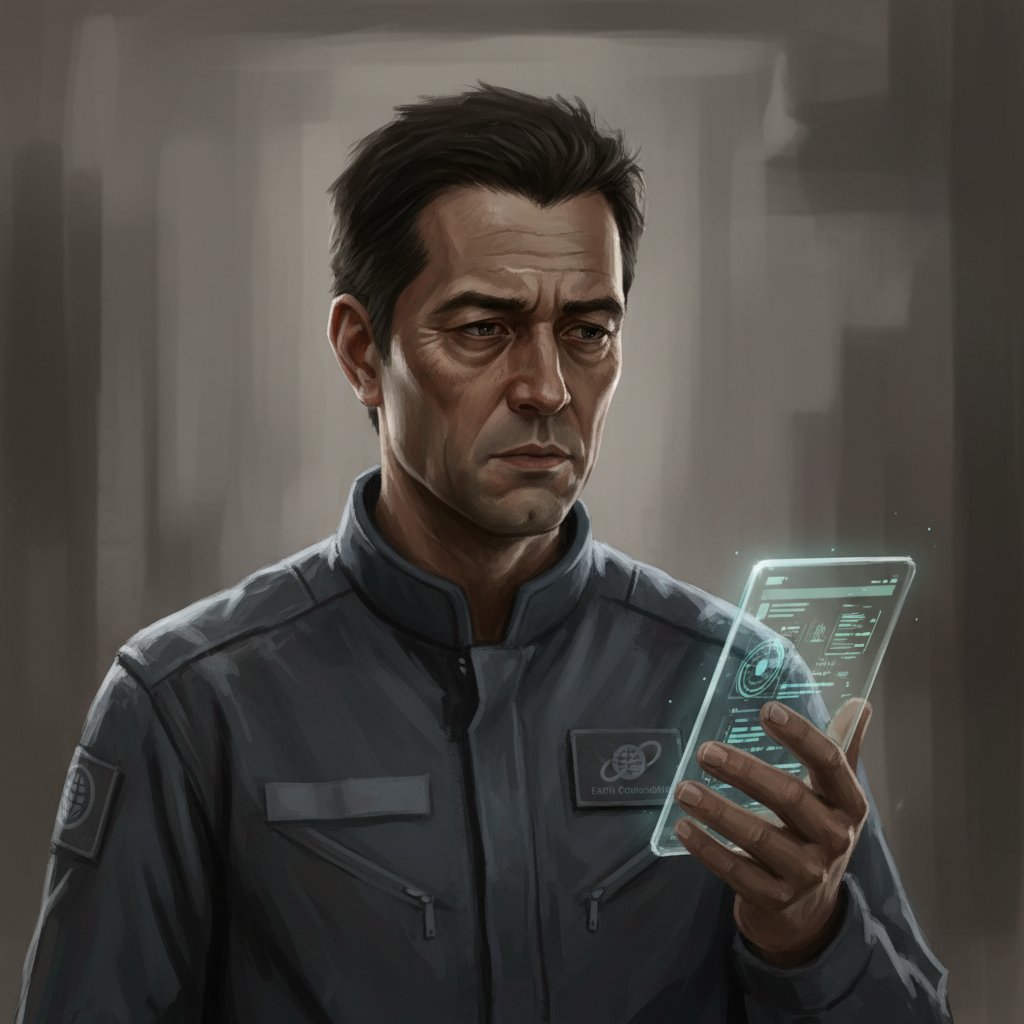
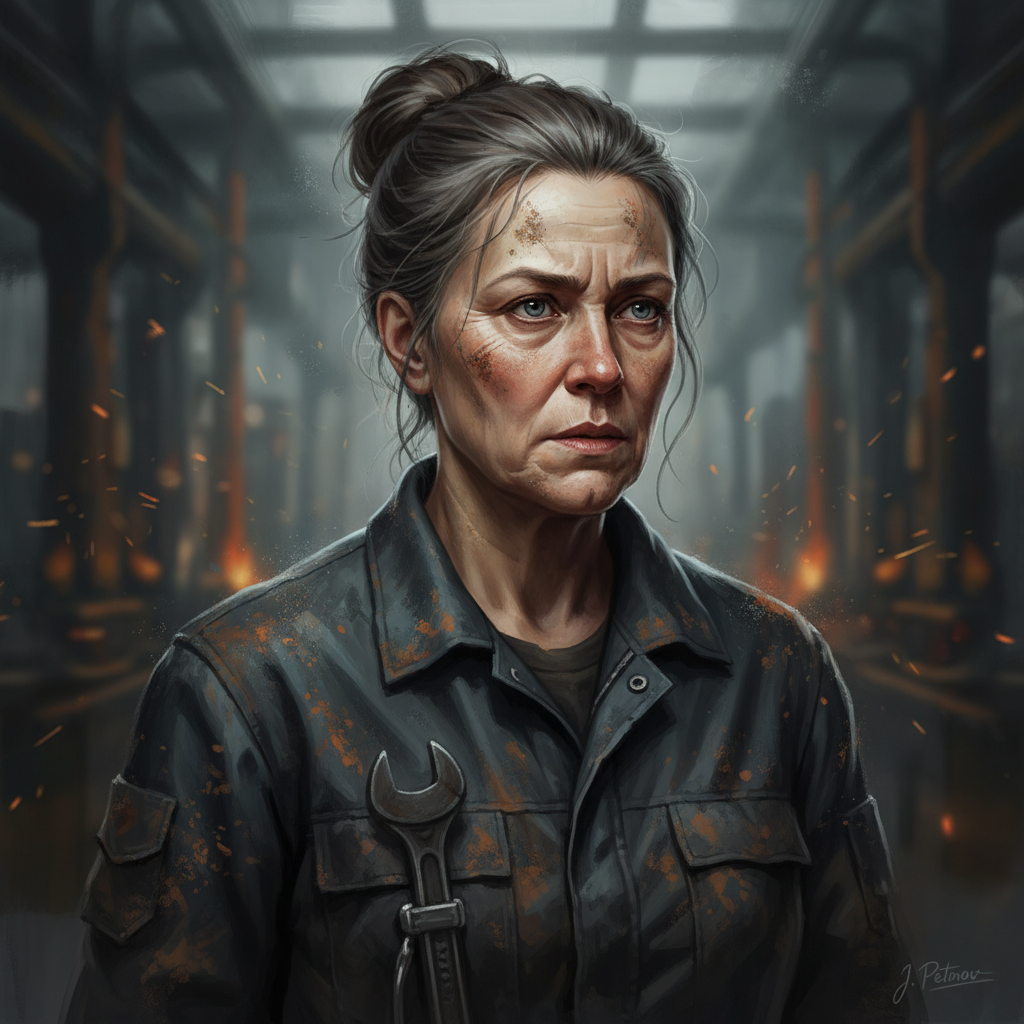

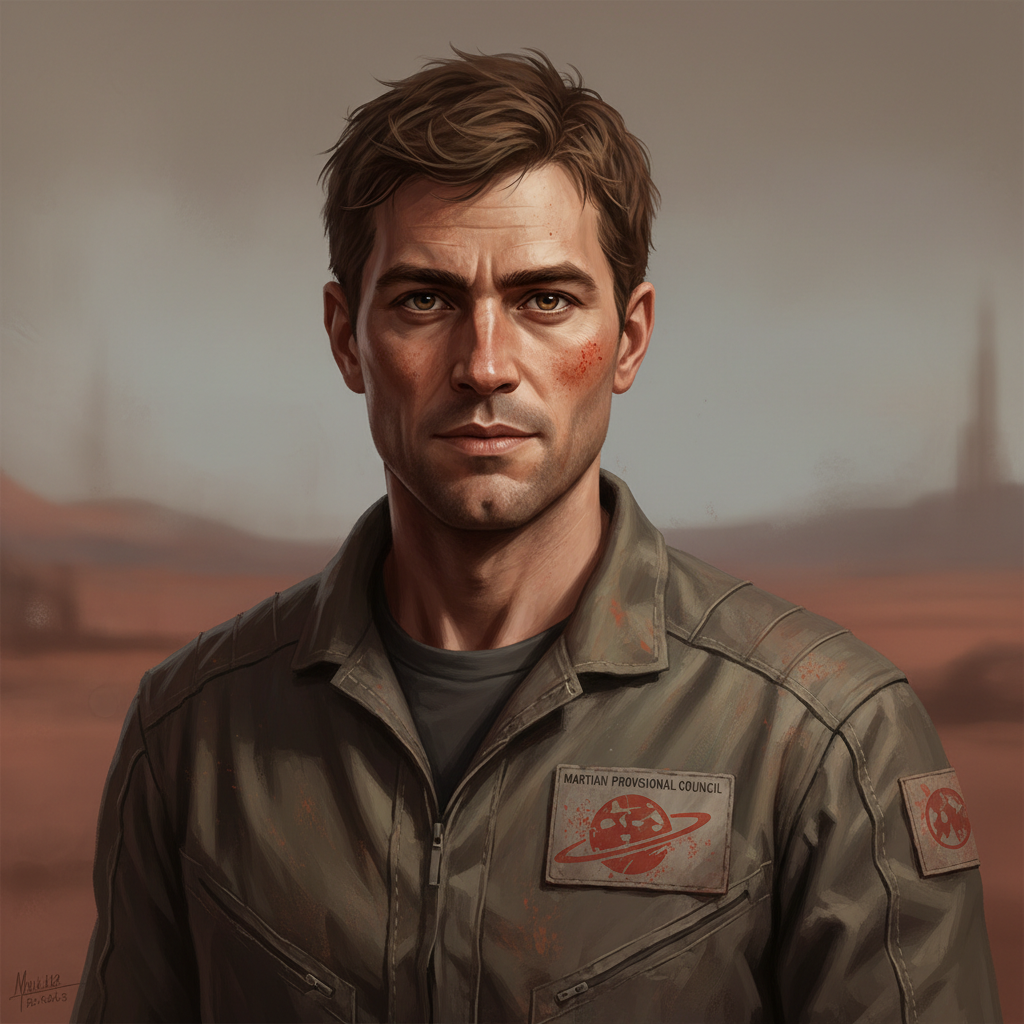

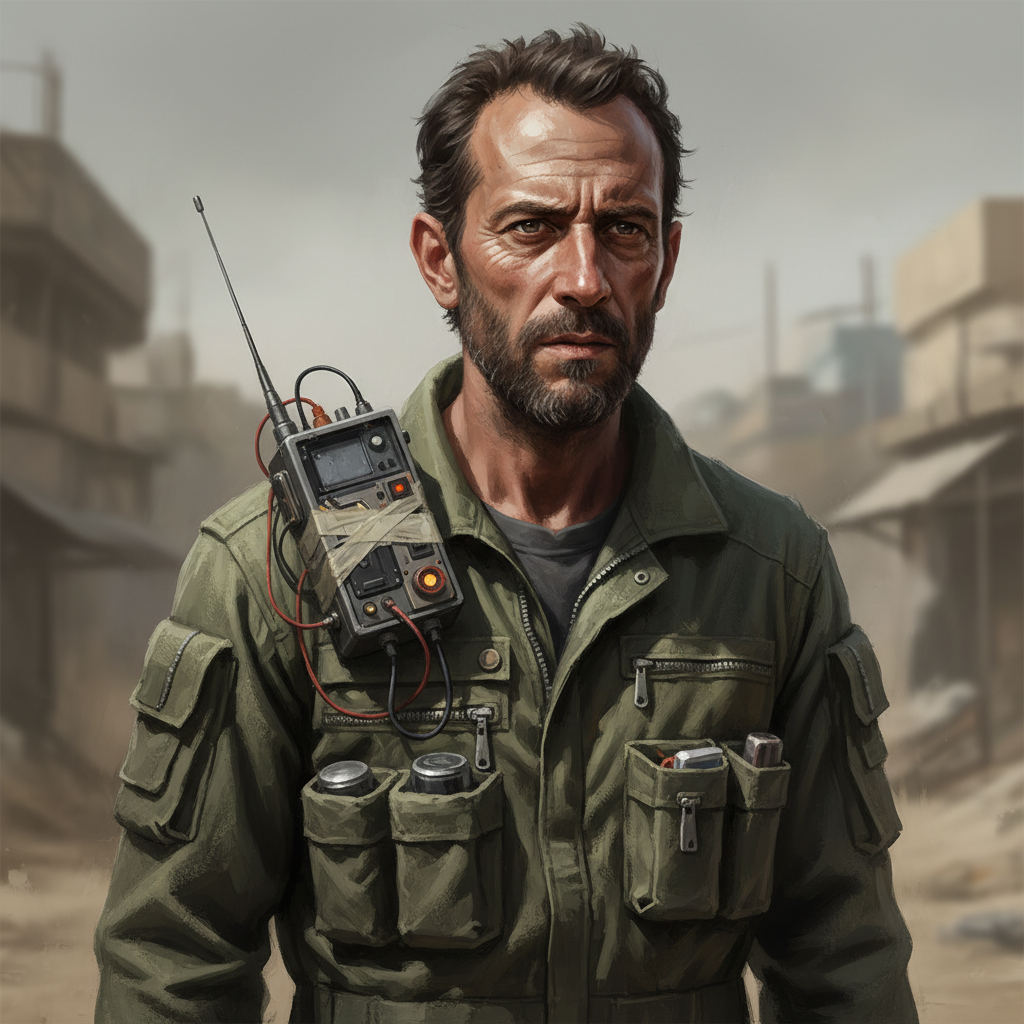
// SITES OF RECORD
Places that matter
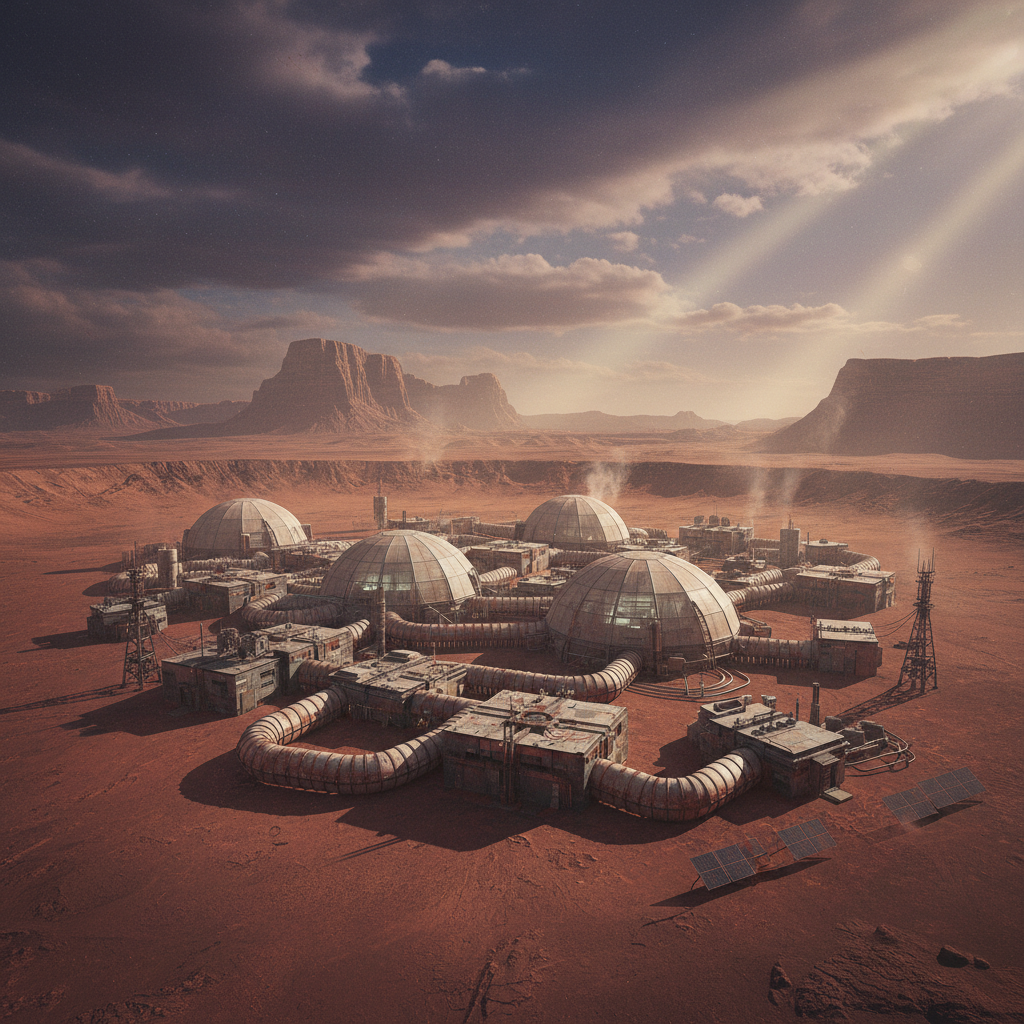
The first and only human city on Mars, nestled in a shallow crater in Hebes Chasma. A collection of rigid modules, inflatable domes, and industrial structures connected by pressurized tunnels, all covered in a fine layer of red dust. The constant hum of life support is the background to all existence here.

The towering northern wall of the canyon system, a massive block of eroded high ground. Its flat top is windswept and barren, offering a panoramic but dangerously exposed view of the surrounding chasms. The 'Mensa' is home to the colony's primary solar arrays and long-range communication dish.

A region of chaotic, fractured terrain that gradually smooths out into a vast, ancient outflow plain to the southwest. The 'Basin' is a maze of sharp rocks and deep dust that is hard on rover suspensions. The far edge is a flat salt pan, the remnant of a long-dead Martian sea.

A geologically diverse neighboring canyon, rich in layered deposits that are a primary target for scientific investigation. It contains unusual formations, including a field of dark, wind-sculpted yardangs and a patch of gypsum-rich soil that appears pale green from orbit.
// LIVE TURN
A real turn from this world
The agronomist meets you in the greenhouse airlock, which is where she has every difficult conversation, because the greenhouse is the one room on Mars that smells like Earth.
"I can give you the calorie numbers," she says, "or I can give you the honest version."
She means the numbers balance and the honest version does not. She means the shipped rations are running out faster than the harvest is coming in, that the gap is small now and will not stay small, and that she has decided you are the person who should know before the administrator does.
You ask for the honest version, or you take the numbers and let her keep the weight, and the colony records which kind of person you are. Standing with the agronomists shifts. So does what the next nine months are going to cost.
// WHY IT HOLDS UP
Why Bradbury Settlement holds up over a long run
The factions, characters, and places on this page are live state the world tracks, not prose written once and forgotten. What you do changes them: what you own, who owes you, who has forgiven you and who has not.
Supported state persists between sessions. Leave for a week and the scene holds; come back and catch-up can resolve relevant elapsed changes. An established promise can remain available for a later consequence, though the Narrator may still phrase a smaller detail loosely.
FREE TO START · QUICK-START OR AUTHOR YOUR OWN CHARACTER NEXT