
// THE PREMISE
What this world is
Chicago, 1925. It is the fifth full year of Prohibition, and the law that was meant to stop America drinking has instead handed the most profitable business in the country to whoever is willing to break it. Two million people. A police force substantially on the payroll of the men it is meant to arrest. A political machine that runs the city ward by ward, vote by vote, favor by favor. And under all of it the liquor trade, the economy beneath the economy, moving through tens of thousands of speakeasies from carpeted nightclubs to a curtain at the back of a grocery.
You enter the city at an angle of your choosing. A speakeasy operator deciding which outfit to buy from. A ward-politics fixer. A Prohibition agent, underpaid and outnumbered. A crime-beat reporter for one of the papers that turn every gangland killing into a headline. A lawyer, a jazz musician working the clubs, an ambitious soldier in a crew looking to rise. The world does not hand you a side. It hands you a city and a reputation, and in Chicago a reputation is worth more than money.
This is noir. Territory is everything and territory is never settled. A hijacked truck, a poached customer, a disrespected partner, a witness who talks: any of them can start a war that ends with men in the morgue and a photograph on the front page. Loyalty is a currency you can spend and cannot buy back. One honest cop, one ambitious lieutenant, one bad decision, and your run is over.
Chicago does not wait for you. The crews ally and break and ally again whether or not you are in the room.
// PLAY PROFILE
What this world plays like
Your first ten turns put you on the street. You find your footing, your first contact, your first room where the real conversation happens behind the one everyone can hear. You learn which alderman owns your block and which precinct captain expects an envelope. Your first real decision about who to trust is also your first mistake or your first foundation. The city is watching to see which.
By turn fifty, you have a reputation that exists as a real number with every crew, every ward, and every newspaper that matters. You buy from someone, or sell to someone, or protect someone, and the others have noticed. The federal heat is rising or falling on the choices you have made. You have done a favor that cannot be called back and been owed one you are not sure you want to collect.
By turn one hundred, you are someone the city discusses when you are not present. A war is brewing, or you have kept one from breaking, and either way your hand is in it. The world remembers the truck you let through, the partner you crossed, the reporter you fed, the cop you paid or did not. Prohibition will not last forever. Your run inside it might end a great deal sooner.
Chicago, 1925 does not reset between sessions. Close the tab on Tuesday. The trucks still run that night.
// FACTIONS IN MOTION
Principal factions
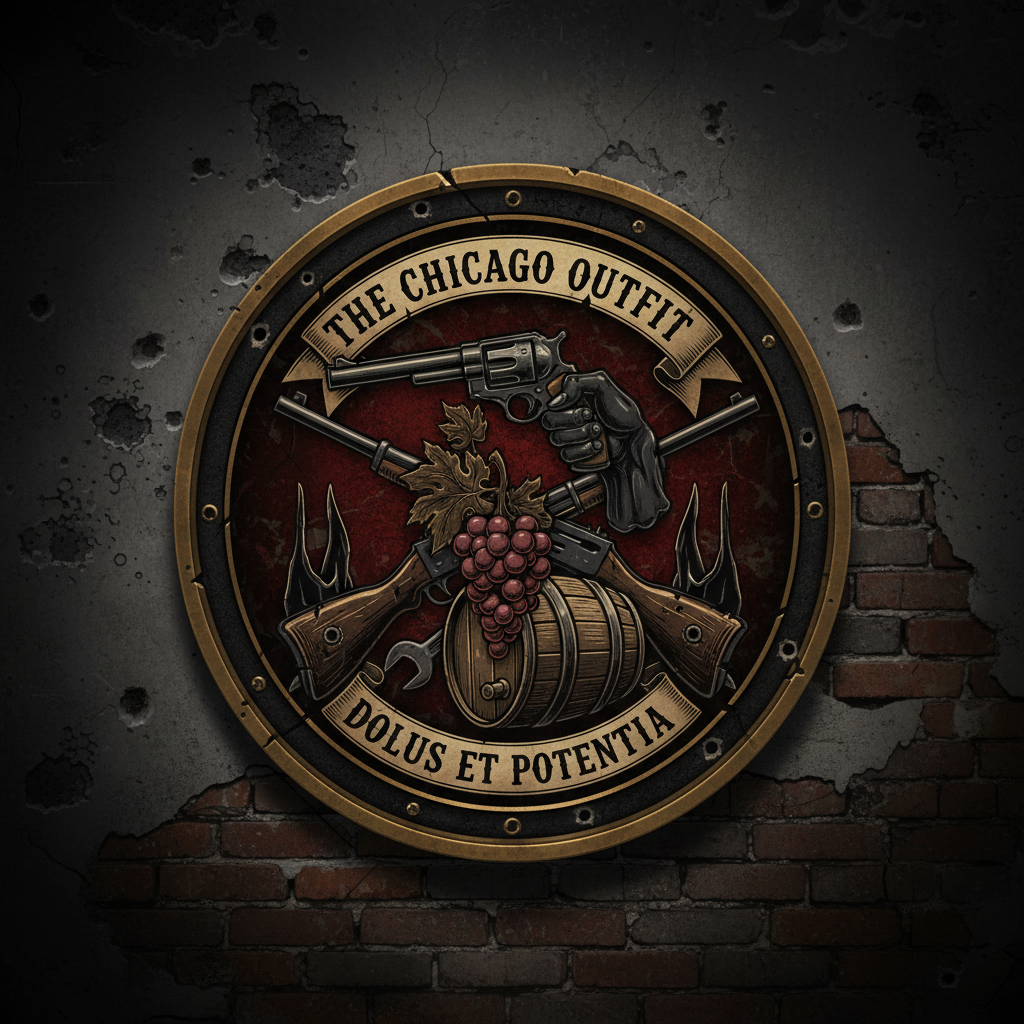
An Italian-American syndicate, primarily Sicilian, that dominates the South Side. Under the strategic leadership of Johnny Torrio, the Outfit seeks to vertically integrate the entire bootlegging industry, from production and smuggling to distribution and sales, using violence and bribery to eliminate all competition.
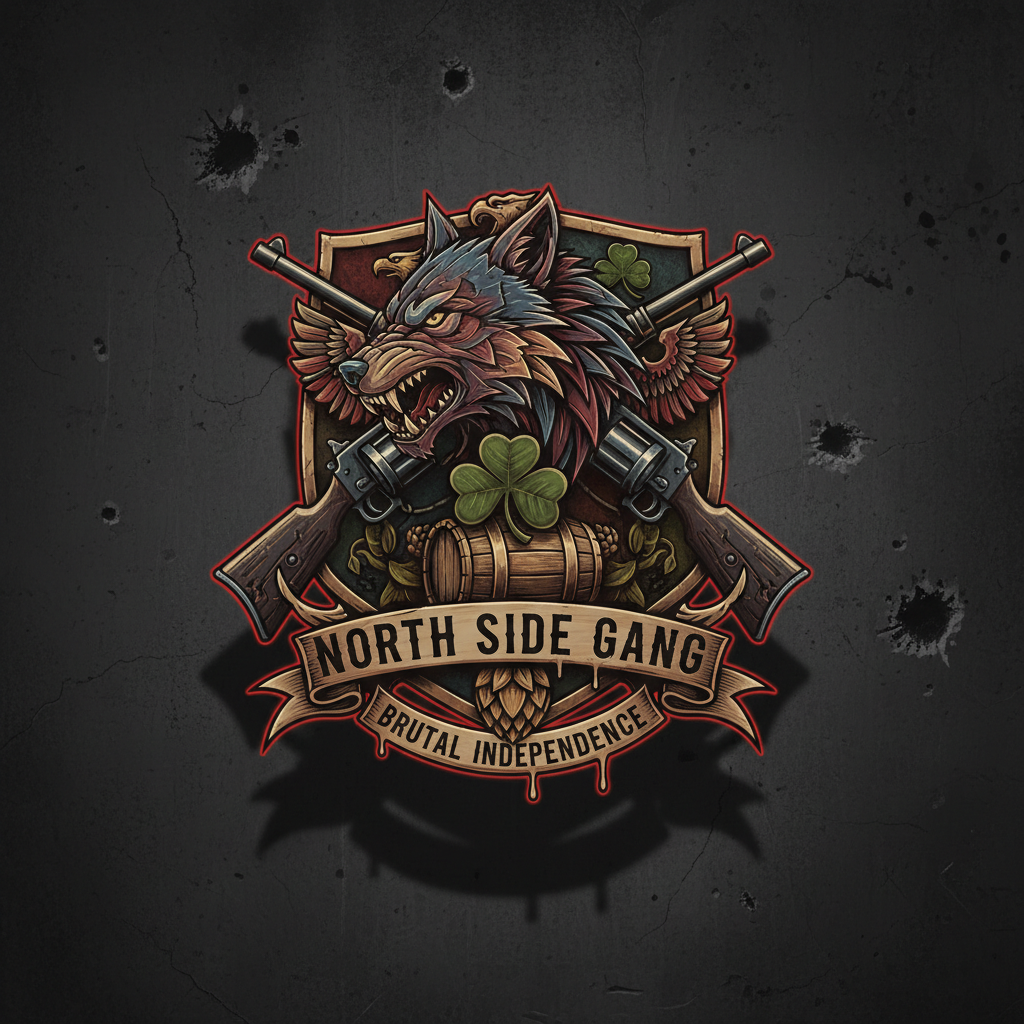
A fiercely independent Irish and Polish-American gang controlling the lucrative breweries and whisky smuggling routes of the North Side. Following the assassination of their previous leader, they are engaged in a bloody war of revenge and survival against the encroaching Chicago Outfit, valuing brutal independence over centralized control.
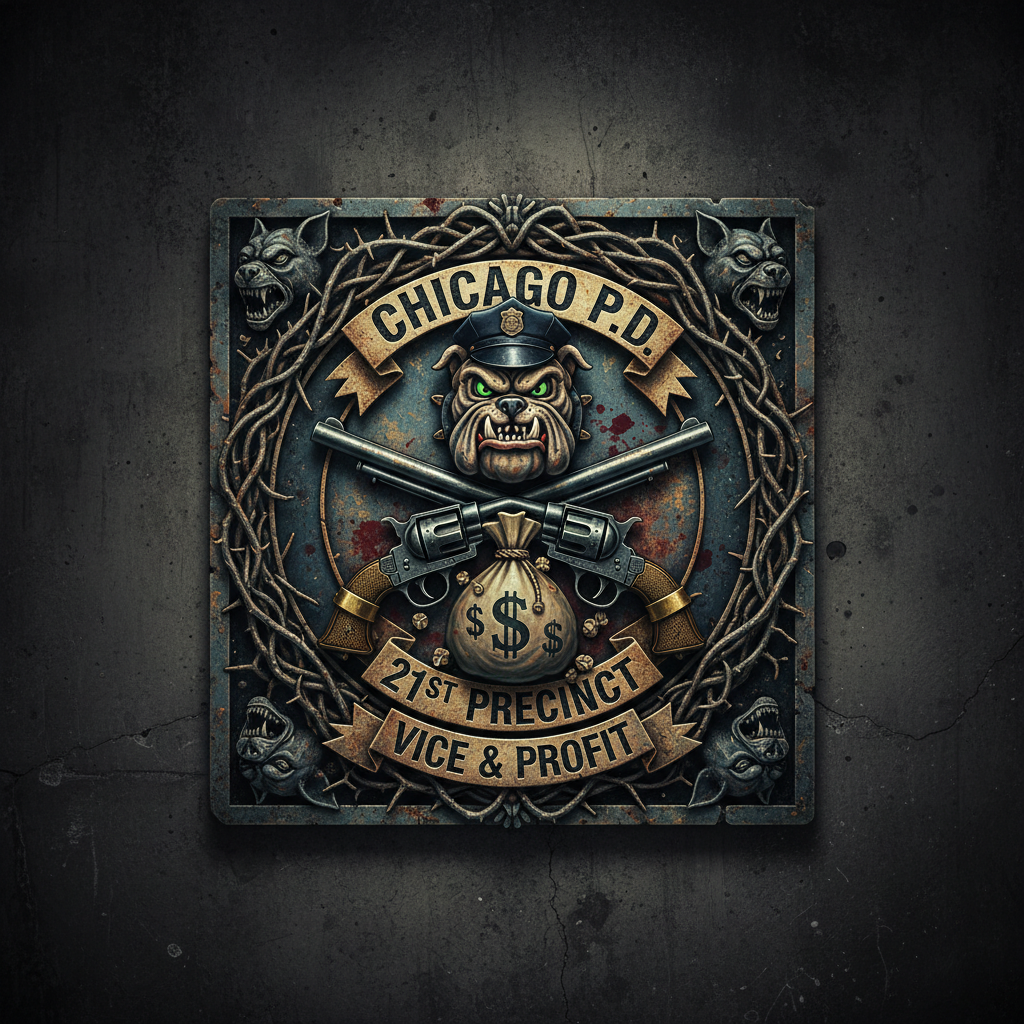
The face of municipal law in the city's most vice-ridden district. Dominated by Irish-American officers, the 21st Precinct is thoroughly corrupt, operating as a for-profit enterprise that sells protection, ignores crimes, and harasses uncooperative businesses for a price. Their primary goal is maintaining the flow of bribe money, not enforcing the law.
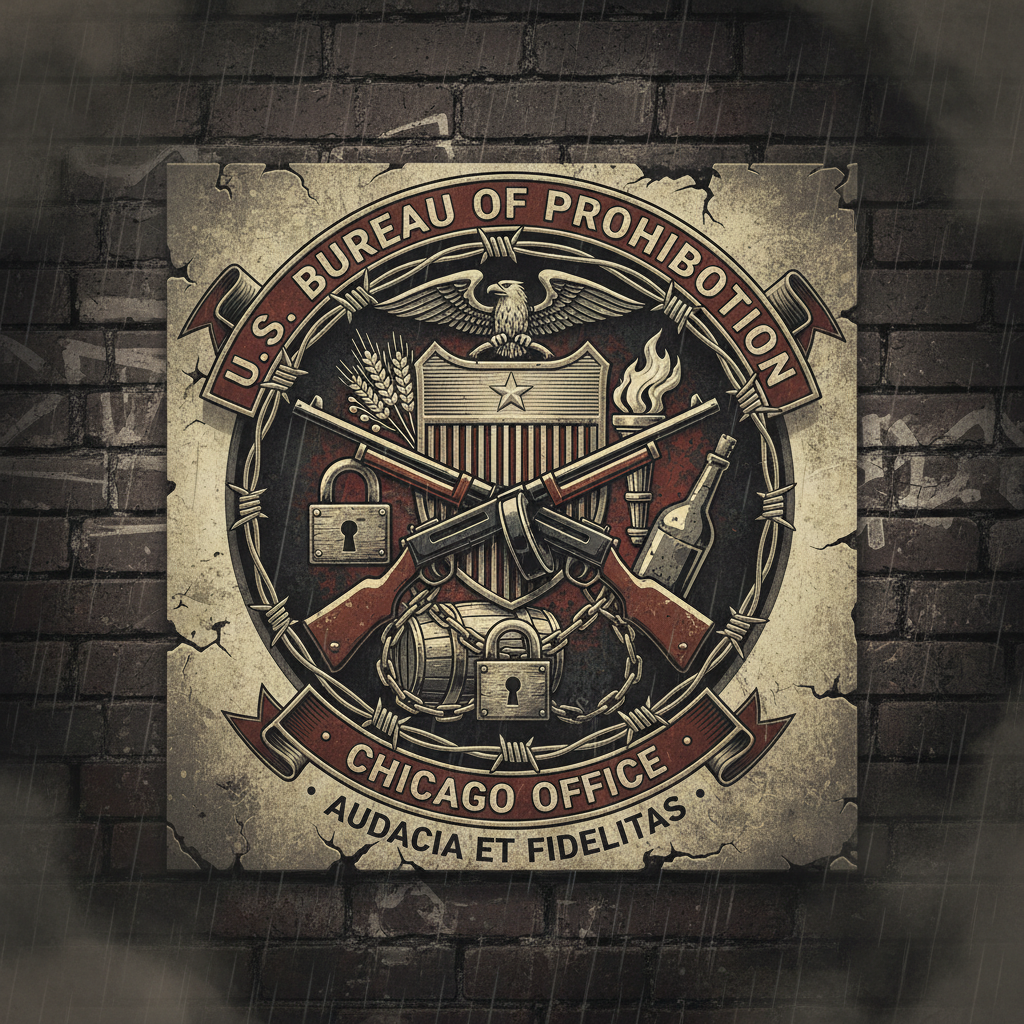
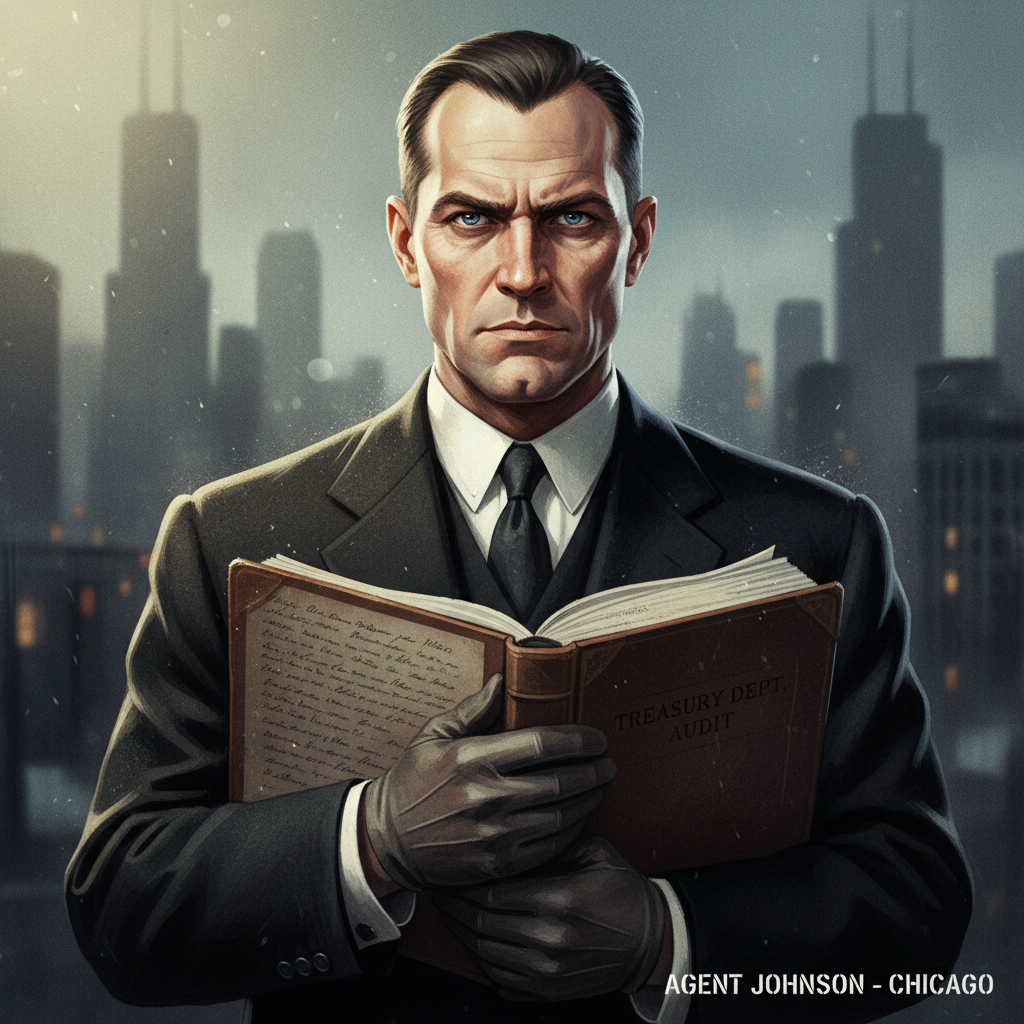
A small, under-resourced federal agency tasked with the impossible mission of enforcing the Volstead Act in America's most corrupt city. Viewed as naive outsiders by locals, these agents are a mix of true believers and ambitious careerists who cannot be easily bought. Their goal is to build a major federal case that can dismantle one of the large bootlegging syndicates from the top down.
The moral engine of the 'Dry' movement, comprised of politically connected, middle and upper-class Protestant women. They believe alcohol is the root of society's evils and see Prohibition as a holy crusade. They operate through public prayer meetings, political lobbying, and shaming campaigns to pressure politicians and police into enforcing the law.
A syndicate of African-American entrepreneurs who control the 'policy' numbers racket within the segregated Black Belt. They function as an underground bank, employer, and civic leadership for a community excluded from the city's official power structures. Their goal is to maintain their autonomy and protect their vast profits from both white mobsters and police.
// KEY FIGURES
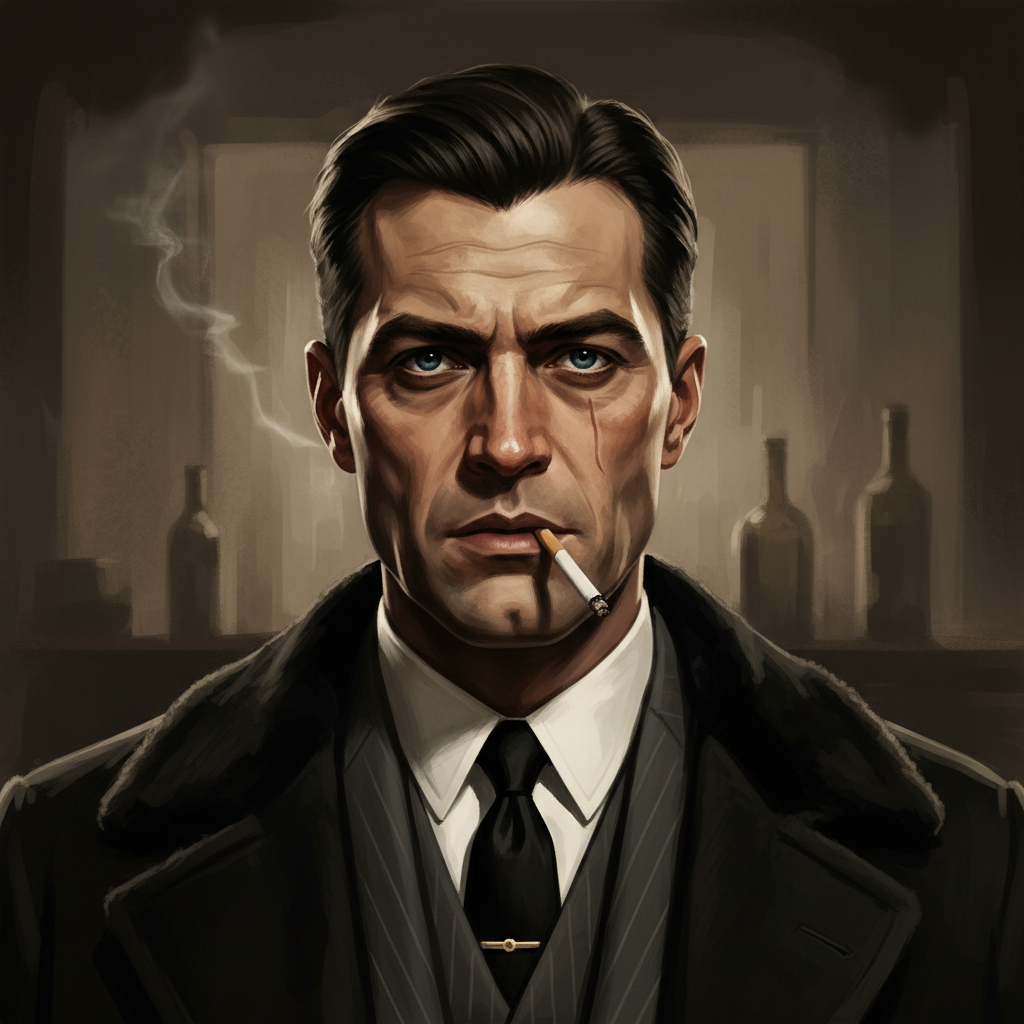
People you'll meet

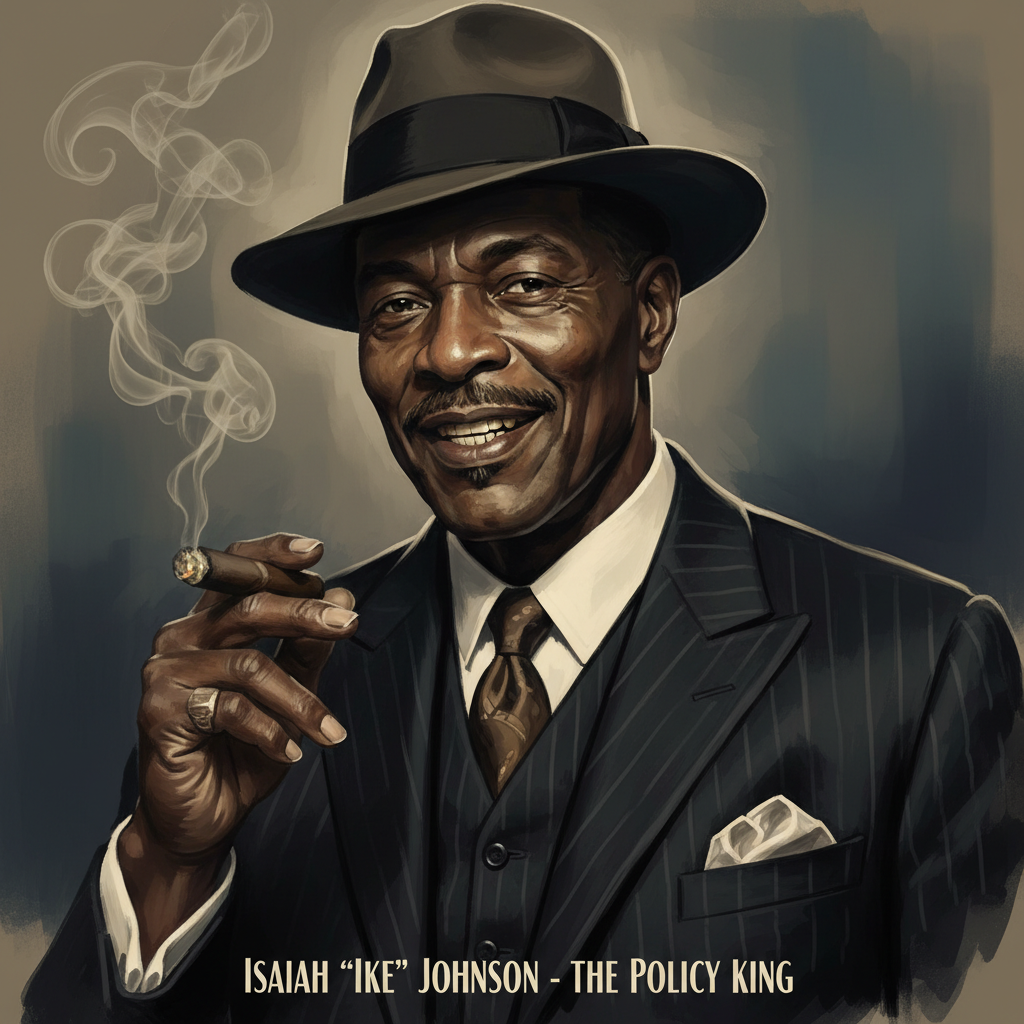
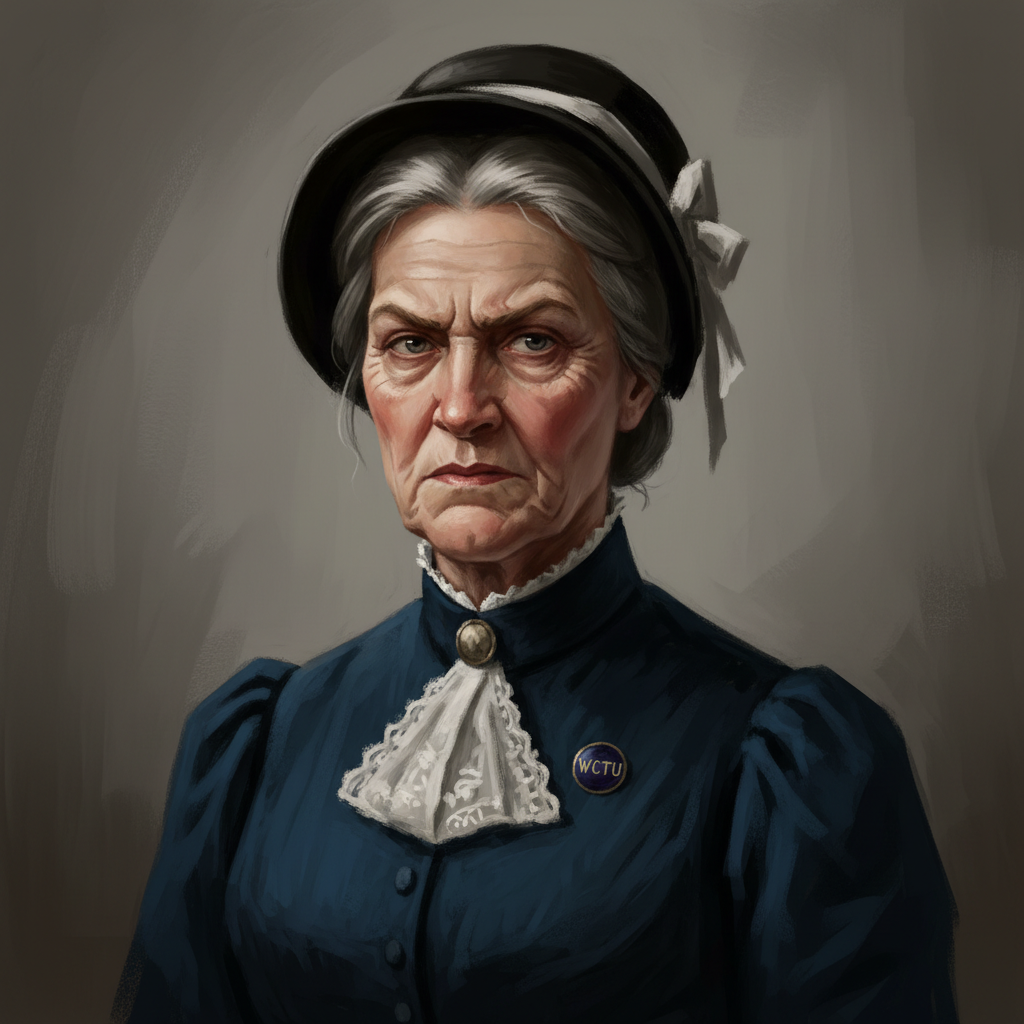
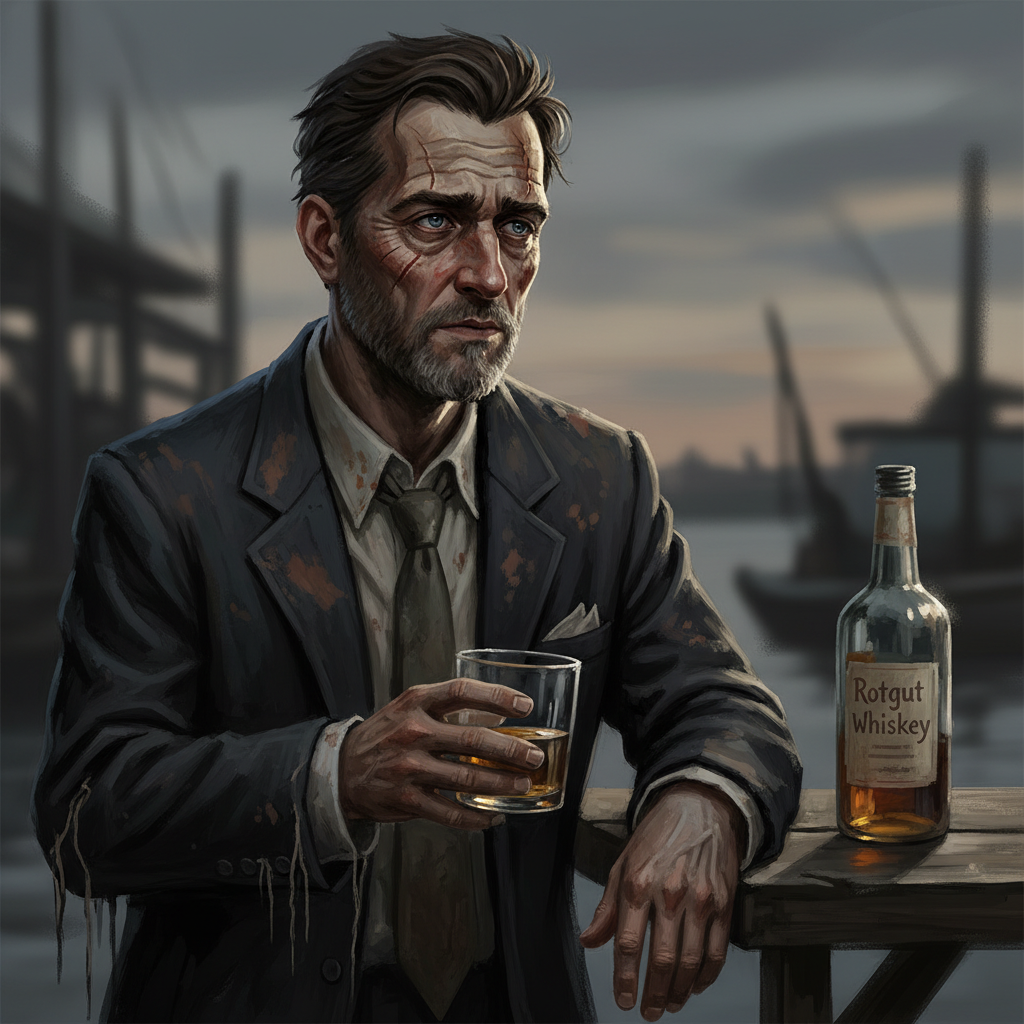
// SITES OF RECORD
Places that matter
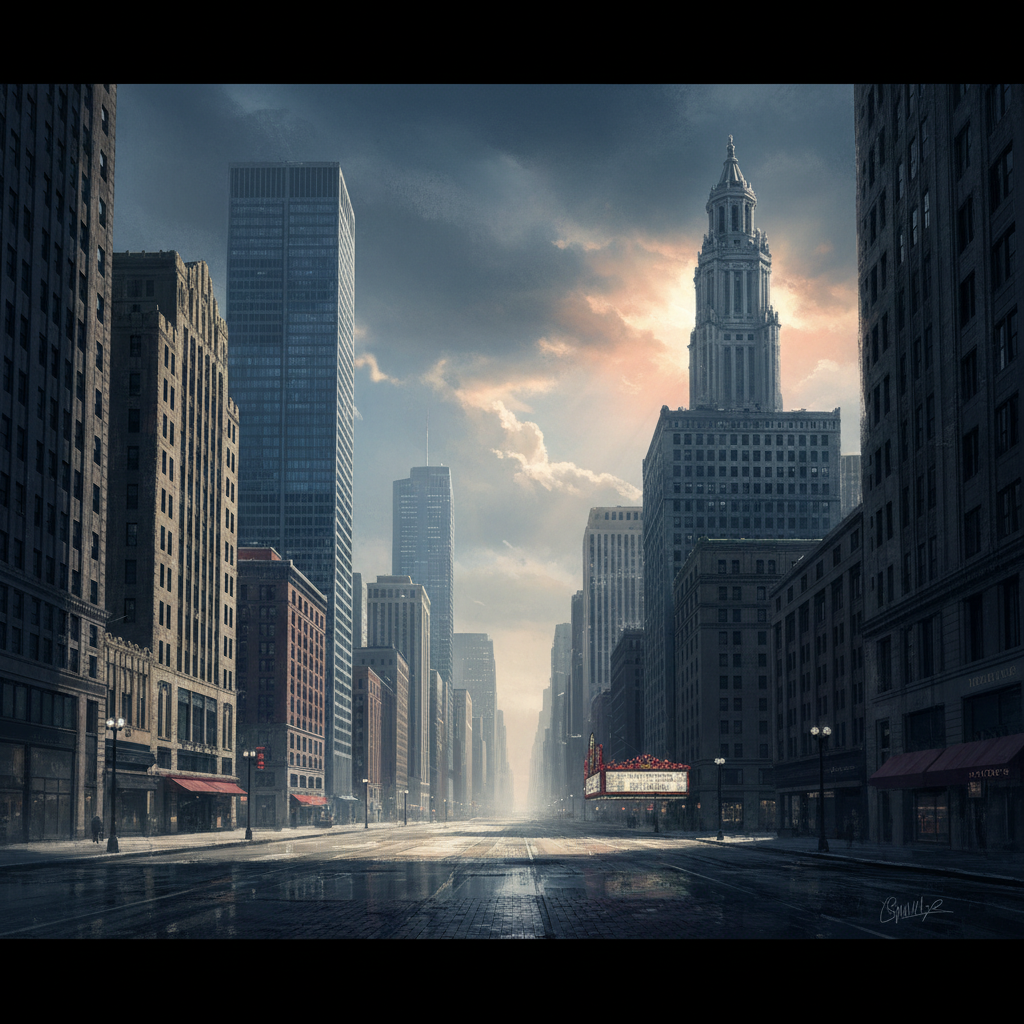
The heart of Chicago's commerce, a canyon of new skyscrapers, department stores, theaters, and City Hall itself. By day, it's a sea of businessmen, politicians, and shoppers; by night, its theaters and restaurants host the city's elite.
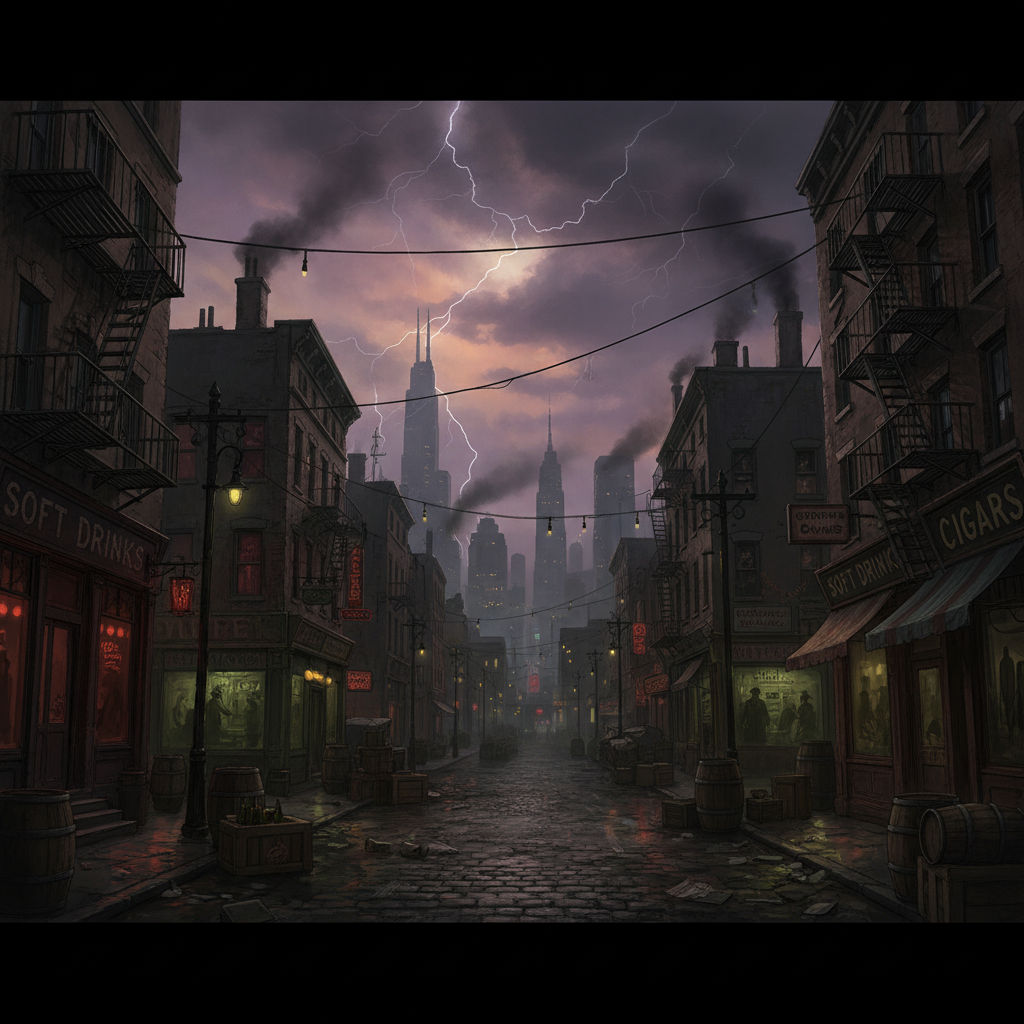
The city's official, though now technically illegal, capital of sin. A grimy, gas-lit neighborhood of brothels, gambling dens, and cheap speakeasies, all running under the protection of Johnny Torrio and Al Capone's Chicago Outfit.
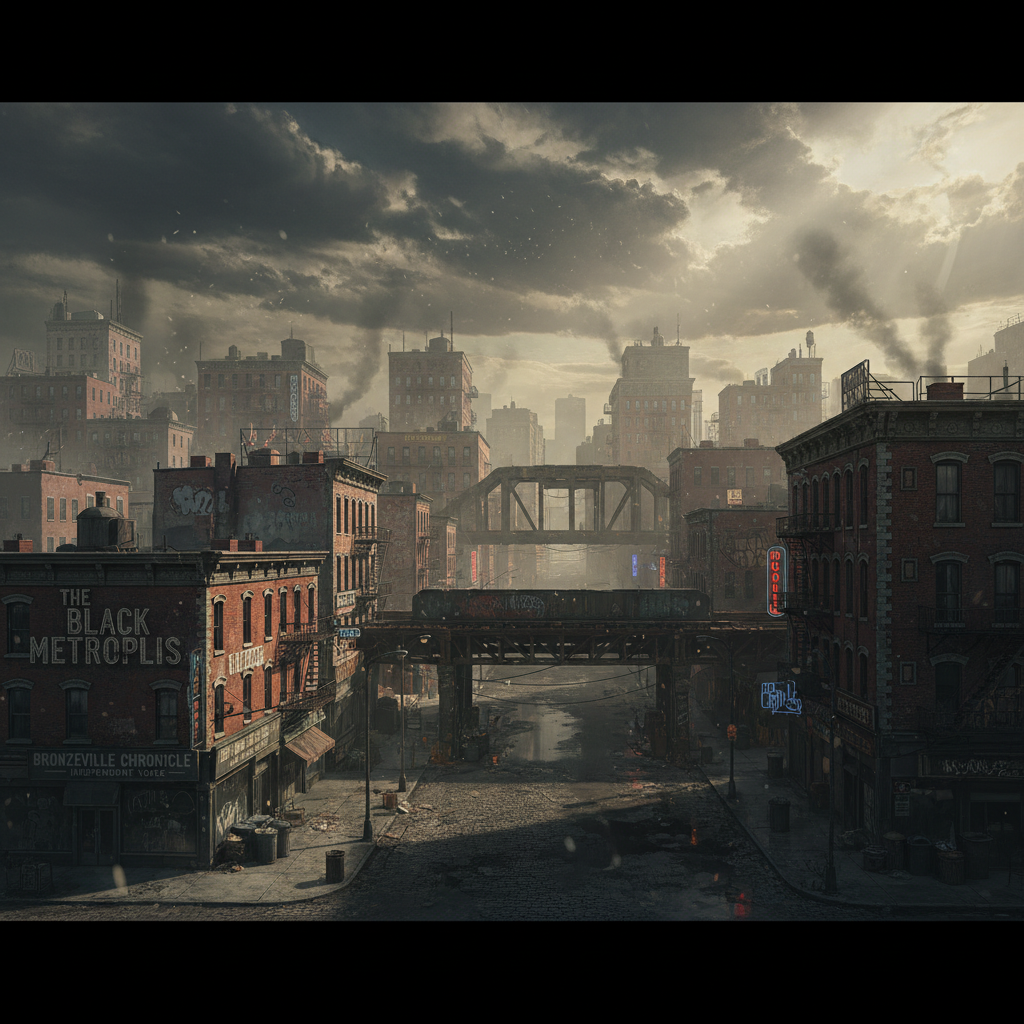
The 'Black Metropolis', a densely packed neighborhood on the South Side. It's a city-within-a-city, with its own businesses, newspapers, and social structures, largely ignored by the white political machine except as a source of votes and vice revenue.
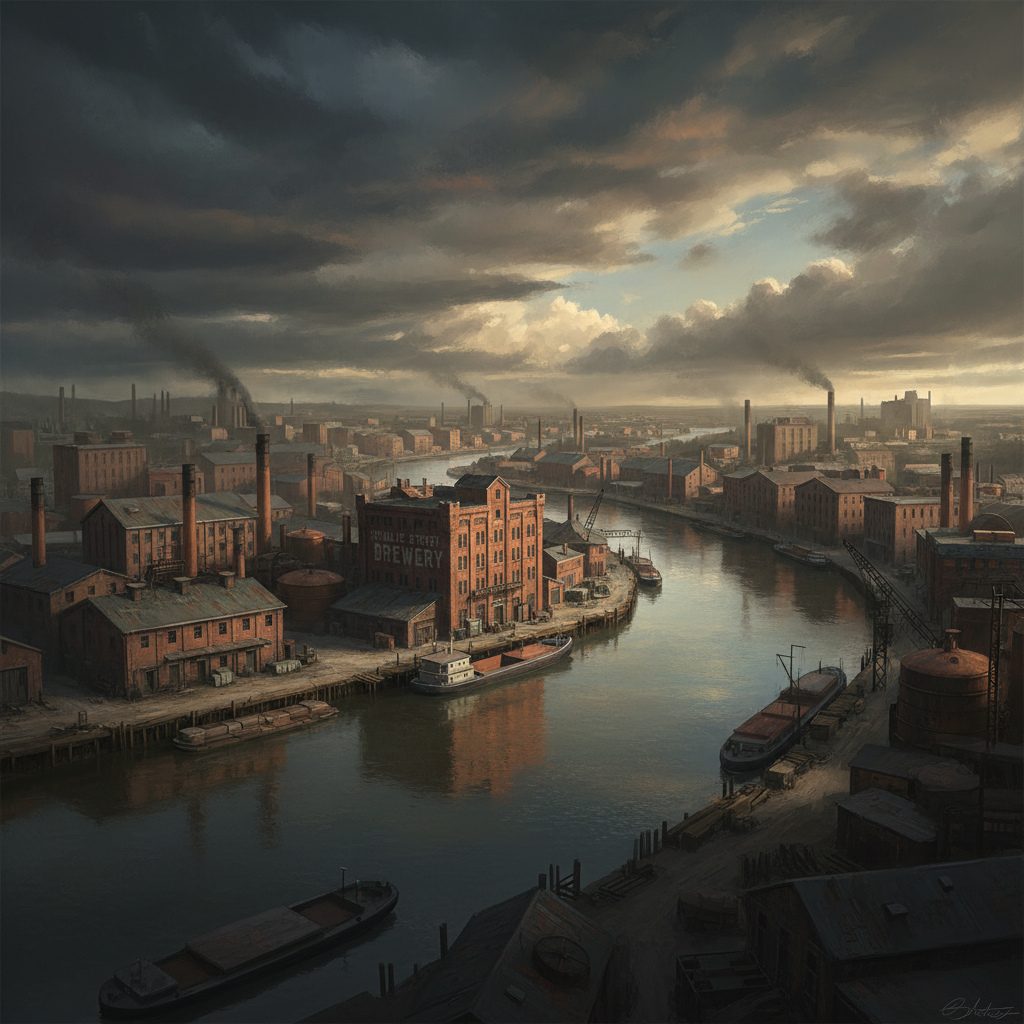
A stretch of warehouses, breweries, and docks north of the Loop, centered around the Schiller Street brewery. This is the heart of the North Side Gang's territory, originally run by Dion O'Banion and now a source of constant conflict.
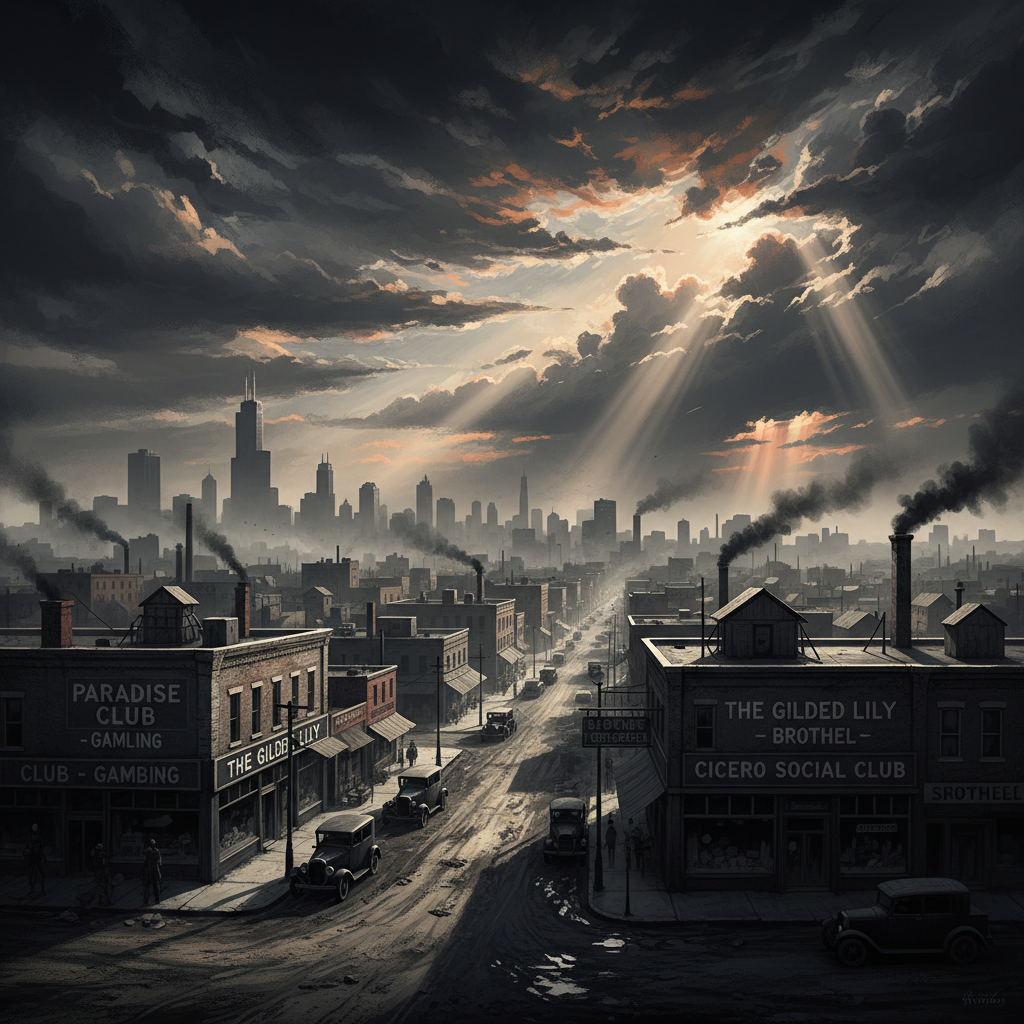
A separate municipality just west of Chicago, effectively a fiefdom of the Chicago Outfit. Beyond the reach of Mayor Dever's reformist police, Cicero is a wide-open town where the gambling halls and brothels operate in broad daylight.
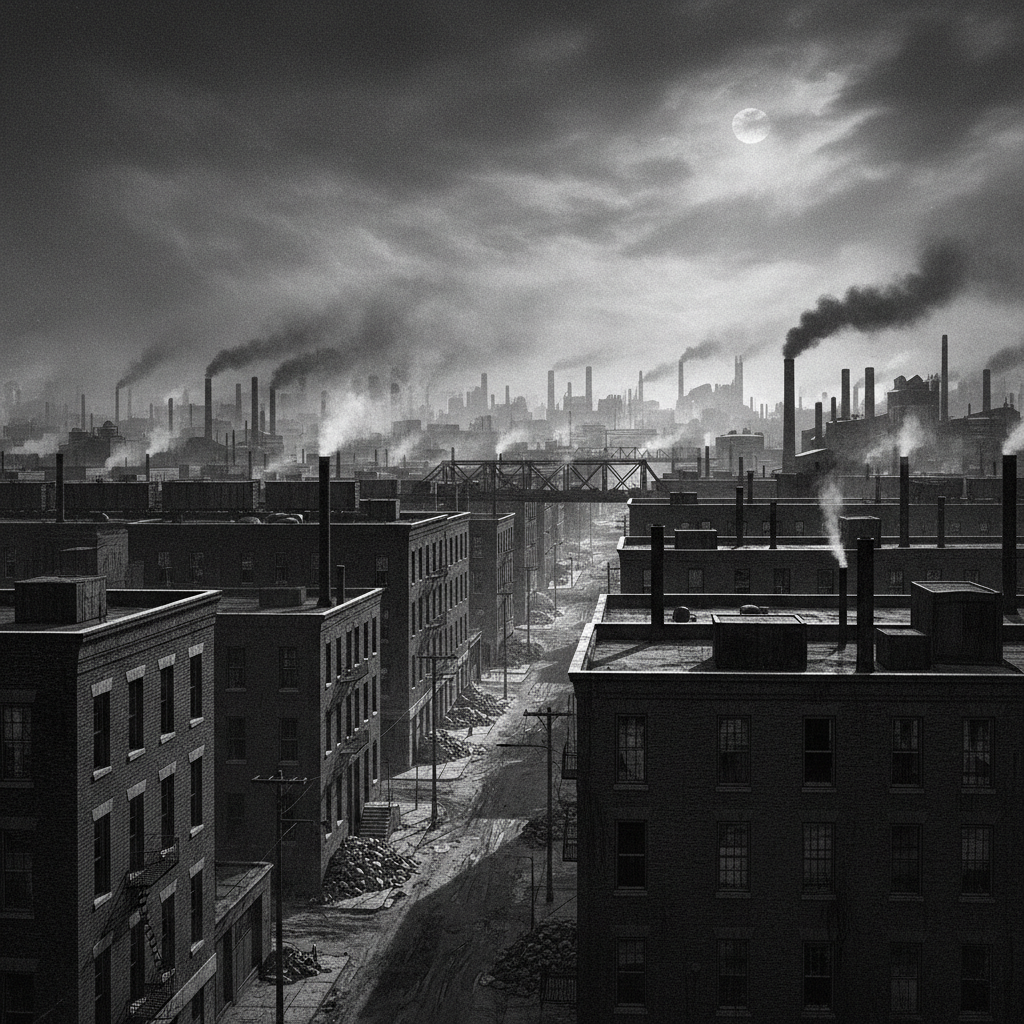
The sprawling, foul-smelling neighborhood adjacent to the Union Stock Yards. Block after block of crowded tenements house the Polish, Lithuanian, and other Eastern European immigrants who work in the meatpacking plants.
// LIVE TURN
A real turn from this world
The man sets the envelope on the bar without a word and slides it the last inch with one finger, the way a man does when he wants you to understand he is being careful.
You do not open it at the bar. You know what is in it by the weight, and you know who it is from by the fact that he will not say.
"Tell Mr. Vasco," he says, "that the Thursday route is still the Thursday route."
He means the route is not the route anymore, and Thursday is a warning, and he has chosen you to carry it because carrying it makes you part of this. You take the envelope, or you push it back, and the city writes down which.
Standing with the Vasco crew shifts. The reporter at the end of the bar, the one you did not notice, did.
// WHY IT HOLDS UP
Why Chicago, 1925 holds up over a long run
The factions, characters, and places on this page are live state the world tracks, not prose written once and forgotten. What you do changes them: what you own, who owes you, who has forgiven you and who has not.
Supported state persists between sessions. Leave for a week and the scene holds; come back and catch-up can resolve relevant elapsed changes. An established promise can remain available for a later consequence, though the Narrator may still phrase a smaller detail loosely.
FREE TO START · QUICK-START OR AUTHOR YOUR OWN CHARACTER NEXT