A world in words and pictures.
An illustrated text RPG pairs a story you read with pictures of its people, places or possessions. You still act through words. The pictures help you recognise the world you are returning to.
By Creation OS · Published
A portrait makes the person across the table easier to picture. A scene gives the harbour a particular shape. Neither needs to decide what your character says next. That combination suits players who want a visual foothold while keeping the freedom of a written story.
What does an illustrated text RPG actually look like?
You read the situation, choose an offered action or type what you try, then follow the response. Alongside the prose, portraits and other world art can give recurring subjects a recognisable face. Your character's possessions and relationships give you things to act on beyond the next line of dialogue.
This is different from moving an avatar around a rendered landscape. If your first question is whether you can walk through a three-dimensional academy, this format will disappoint you. If you want to argue with its headmistress, investigate a locked room or decide who deserves your trust, words give you room to attempt it.
A published starting point: Arcanum Academy
The Creation OS catalogue features Arcanum Academy as an illustrated starting world. You enter as Mara Vey, with people, places and starting gear already illustrated. That saves you from designing a whole setting before finding out whether you enjoy the play.
Open the academy preview to read its premise. Then use the catalogue's academy entry to start your own saved story. It requires an account and actions use Spark. The existing art belongs to that starting world; it is not a promise that every world arrives with the same amount of illustration.
This example comes from the current public catalogue, checked on 15 October 2026. It describes the offered starting experience, not a new playthrough or a claim that every possible action has been tested.
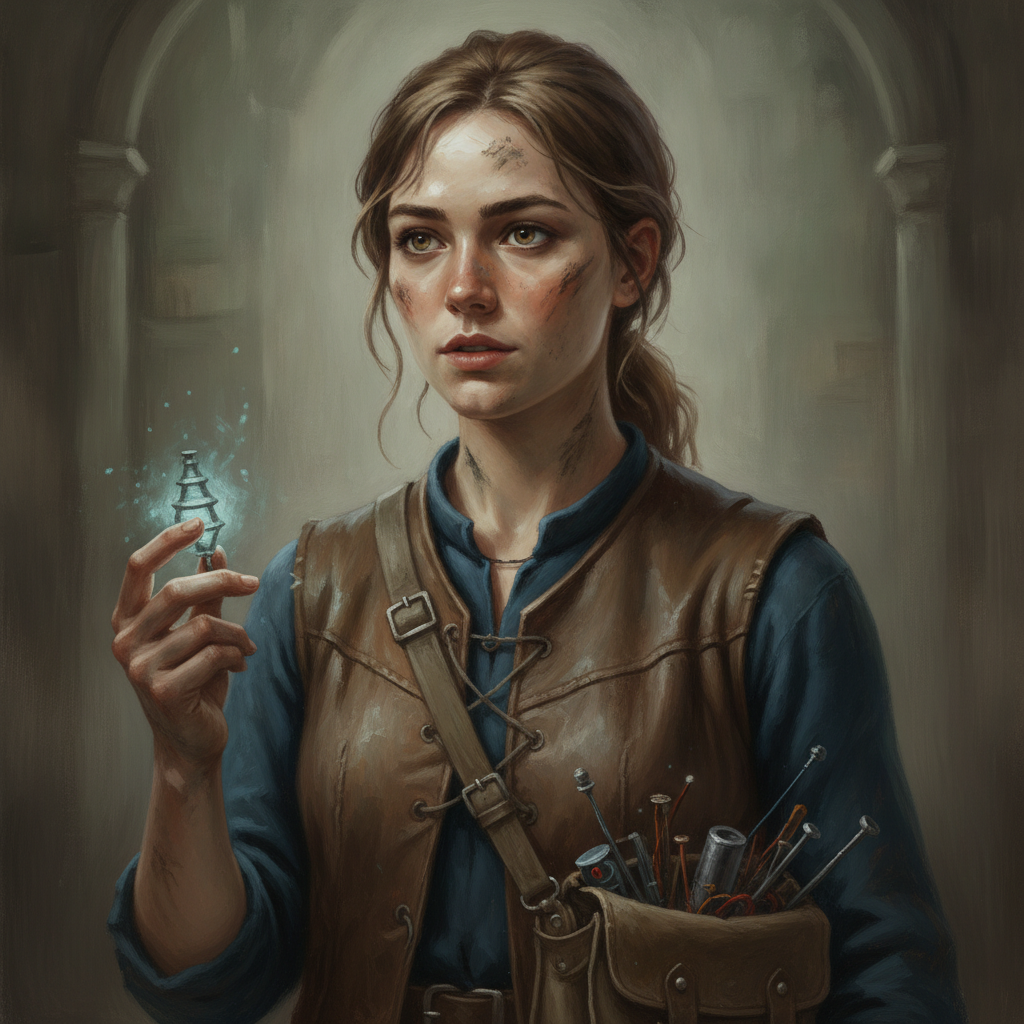
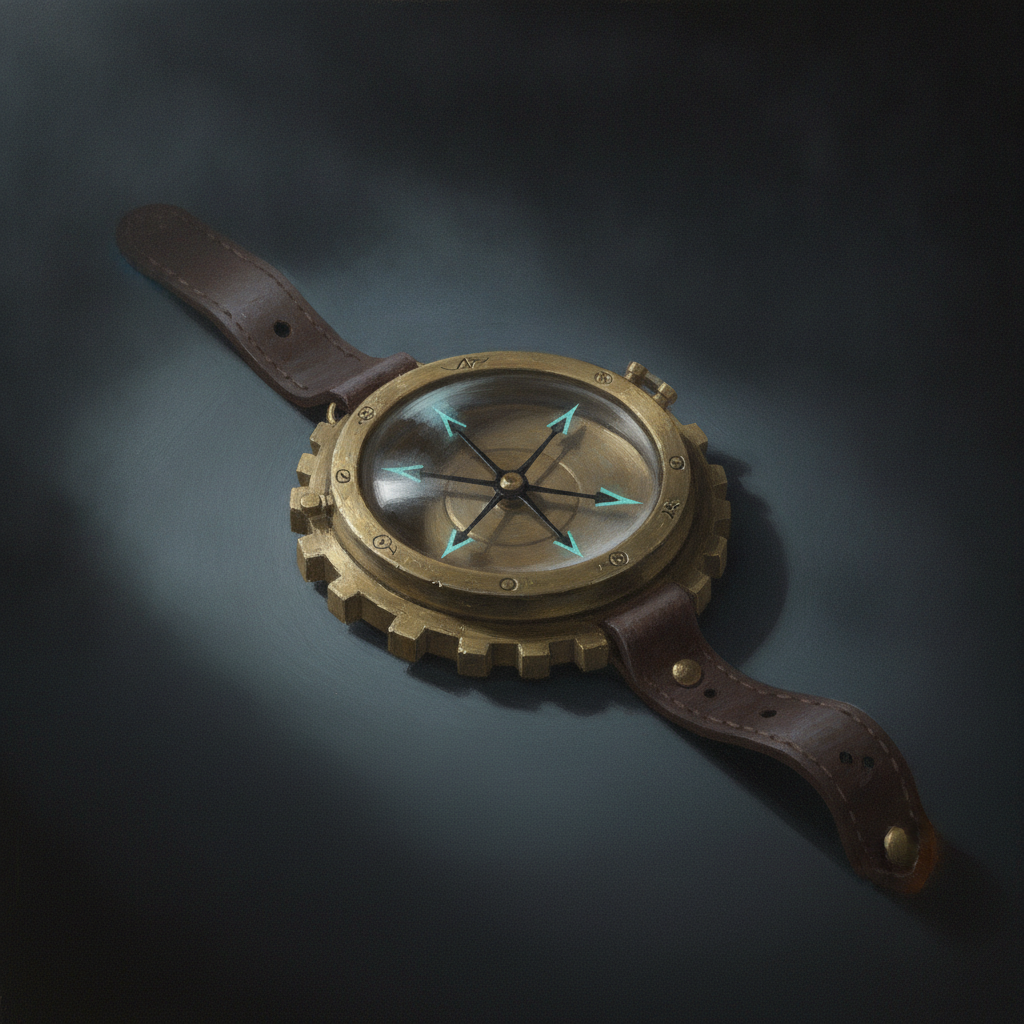
Mara Vey and a Brass Ward Compass, as shown in the public Arcanum Academy catalogue on 15 October 2026.
Start your own saved story. Account required; actions use Spark.
Your first illustrated session: read, look, decide
Start with one question you want the opening scene to answer. Who can help your character? What is this place asking of you? The steps below are a suggested approach, not a record of a real session.
Read the premise and choose one thread
The academy's public preview offers school life, House rivalries and a mystery beneath the school. Choose the part that interests you first. You do not need to pursue every thread in the opening scene.
Look for a detail you can use
Look at a portrait, then return to the person's description. Their clothing might give you a question to ask. An expression might shape how you imagine the conversation. Neither establishes what the person believes or what your character knows.
Do the same with an object: notice its appearance, then check what the story and your belongings establish about it. A picture of a wand does not tell you which spell will work.
Make one attempt in your own words
Choose an offered action or write what you do, whom you address and what you hope to learn. If a teacher is nearby, you might ask which part of the school a first-year should avoid.
Let the response give you the next decision
Read what follows before planning another move. Did someone answer your question? Did the attempt introduce a difficulty? If something conflicts with what has already been established, ask for clarification.
Leave yourself a reason to return
Before leaving, wait for the turn to complete. Write a short personal note about what you want to do next, keeping plans separate from things that have happened. On your next visit, use familiar pictures to recognise people and possessions, then read the words for what is happening now.
Can you add art to your own world?
Creation OS's Art Forge supports artwork for people, items, abilities, factions, places, scenes and book covers. Available controls depend on the record and your account. You choose the subject from the relevant record and review the quote before confirming.
Start with the subject you expect to see often. A shopkeeper you visit every session may be more useful than a distant monument. For a traveller, the home port might be the picture that makes returning feel like returning. You do not need to illustrate the whole world at once.
Art Forge works on one subject at a time. It is not a promise of a new illustration after every turn, a full party portrait in one request or a continuously animated scene. See current art credits and access before planning a large collection.
Try the conversation before choosing a world
If you want to test the written back-and-forth first, meet Wren at the Hearth & Hollow. The free demo lets you make choices or use your own words without signing up.
Wren is a short taste of conversation. The limited free demo is separate from an account-based world. Arcanum Academy is the account-based route for starting a continuing story with existing illustrations. Those are different ways to try Creation OS, so choose the one that answers your question.
Is this the same as a visual novel?
The formats share an interest in prose and pictures. A visual novel usually offers an authored story with particular routes. Creation OS asks you to act as a character in an open-ended world. You can attempt an action in your own words, and the Narrator describes what follows. That freedom also means an occasional response may need correcting.
Do I have to create my own character and setting?
Not for the academy's ready-character entry. You can also browse other published worlds or use the world builder when you want a setting of your own. The getting-started guide explains those routes.
Will every scene have a picture?
No. Narration remains the main way you experience the story. Existing artwork and artwork you choose to create accompany supported subjects. If you prefer pictures to carry nearly all of the action, look for a more visual style of game.
Saved worlds use an account and actions use Spark. See current access and allowances.