Story example · Crimson Court
An immortal notices you. Decide what to tell him.
A mortal catches an immortal's attention in a city where affection and influence are difficult to separate. What do you reveal, and what do you keep back? This example is adapted from earlier editorial fiction set in Crimson Court. It is not a verified gameplay transcript or evidence of a week-long test.
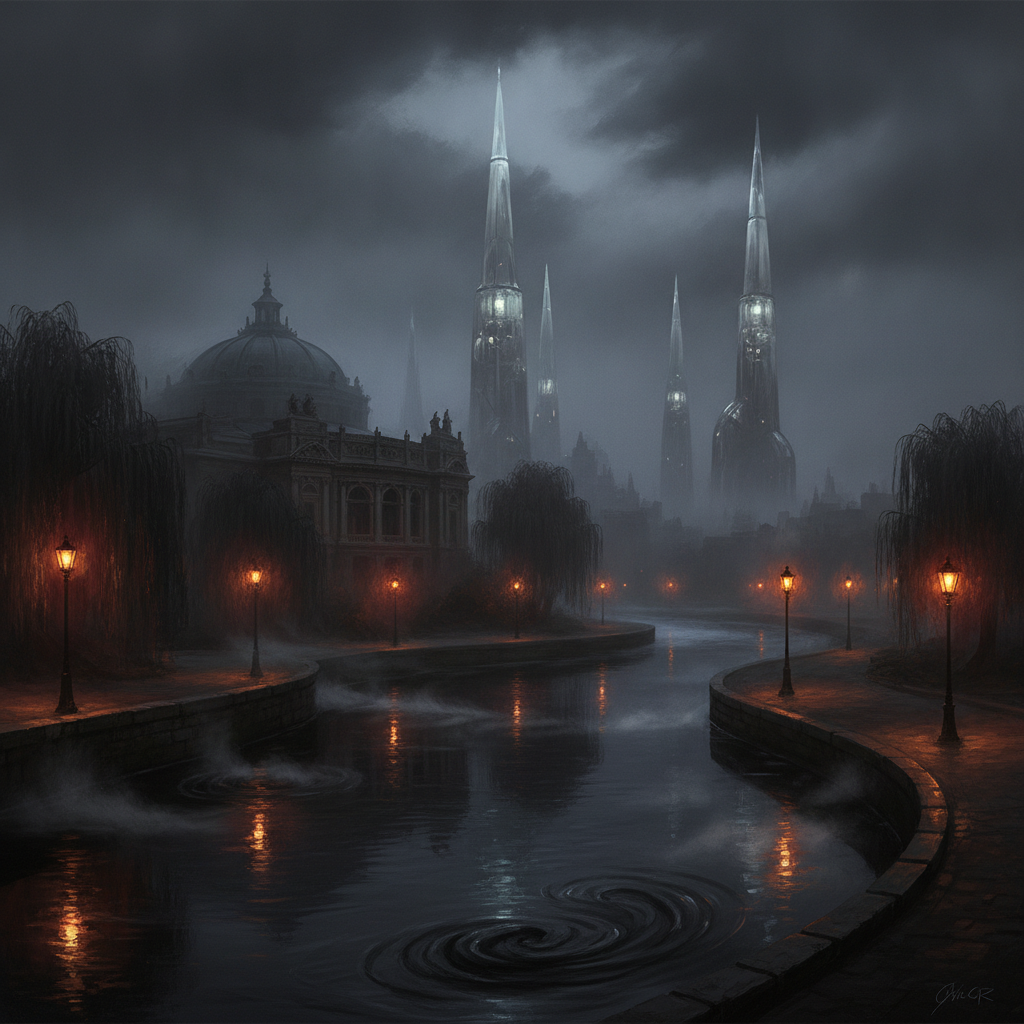
Being noticed is not the same as being safe
Crimson Court is a gothic world of a fog-bound river city and rival vampire Houses. Its public premise gives a mortal character a place inside a court whose interests are older and more dangerous than they appear.
Read the briefing before entering. The invitation below is an illustrative scene inspired by that setting, rather than a guaranteed romance route or a description of a verified session.
The glass he does not drink
Imagine a quiet meeting with Lucien Sarkany, the Prince of Saint-Cyr. He pours wine and leaves his own glass untouched. He asks a question that sounds personal until you notice the people listening from the other end of the room.
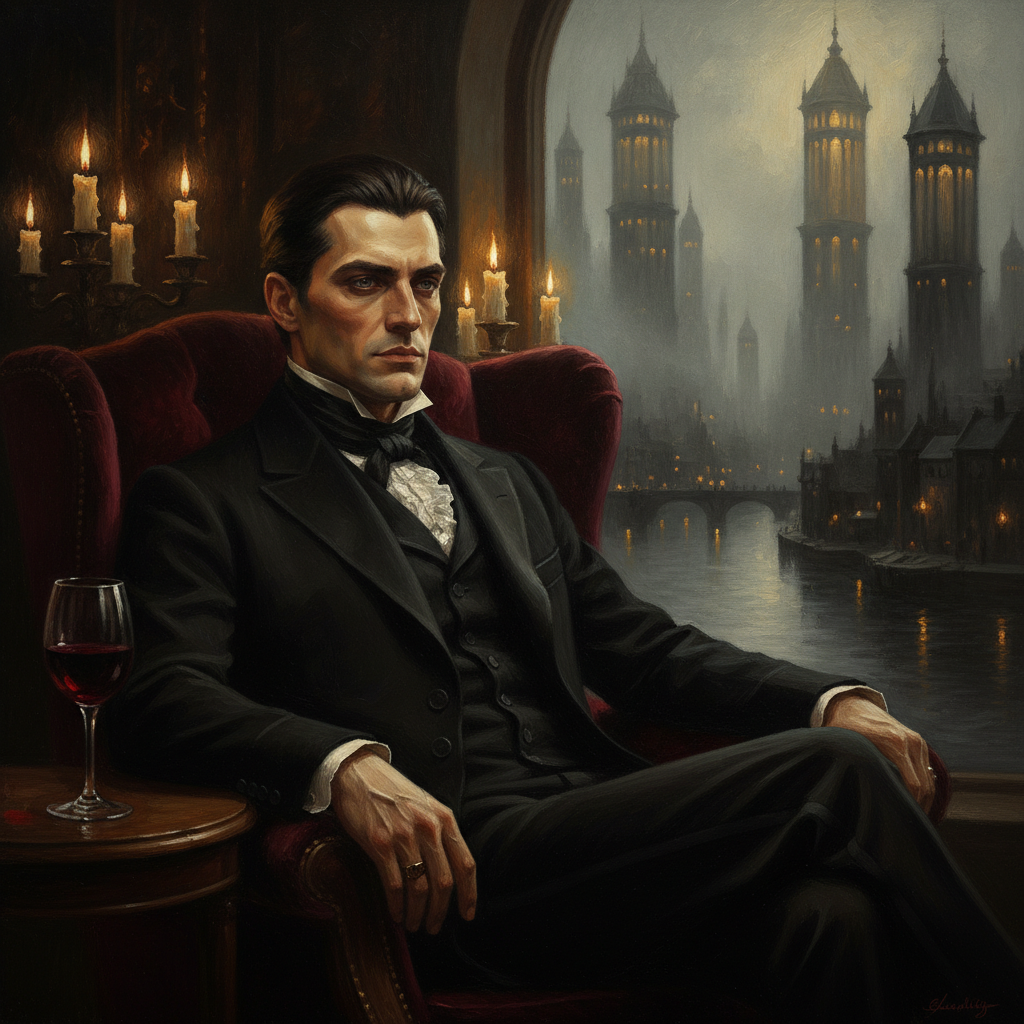
A protective lie may seem sensible. So may a careful truth or refusing to answer. The interest lies in choosing what your character is willing to risk for closeness, rather than finding a single line that guarantees affection.
A private conversation in a public court
In this imagined sequence, another House offers something the Prince will not: information, shelter, or a little freedom. Accepting need not be a betrayal, but someone may choose to present it as one. You have to decide whom to trust with your explanation and whether you want the court's approval at all.
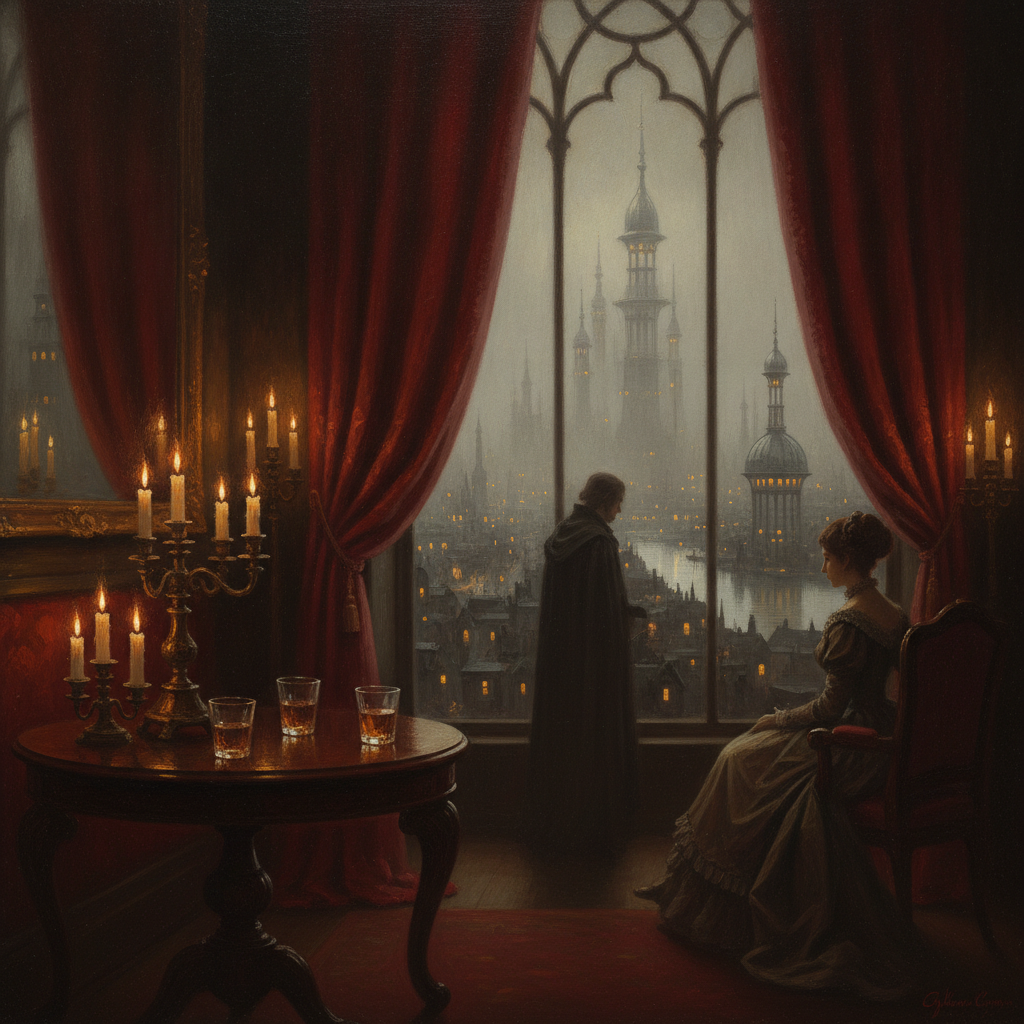
These are possible story pressures, not a record of events the product must reproduce. Your character can pursue affection, keep distance, investigate the Houses, or choose another concern. A world premise does not promise a particular romantic outcome.
Begin with the conversation you actually receive
Read the scene, find out who is present, and decide what your character wants from the meeting. You can ask a question or leave instead of treating every invitation as an obligation. Clarify a mistaken name or history before continuing the exchange.
Art Forge can add artwork to supported characters and places. The illustrations on this page are setting art, not session screenshots. Read the displayed art credits and Spark quote first.
If you want to keep your own court story as a reading edition,Tome offers chapters, a cover, and a chosen voice. It requires Pro and uses Spark and a chapter allowance. Review the edition before sharing it.
Updated 15 October 2026 by Creation OS. Story example adapted from earlier editorial fiction; no new gameplay test was run.
Free to start. Check current entry terms and Spark costs.